Wind Power for Rural Canada
A reference covering how small wind turbines work, what makes a site viable, and the programs available to rural landowners across Canadian provinces.

Topics in Rural Wind Energy
Three in-depth pieces covering turbine mechanics, siting decisions, and the financial programs available to Canadian property owners.

How Small Wind Turbines Work: Mechanics and Energy Output
From rotor aerodynamics to generator types and annual energy estimates — how a small turbine converts wind into usable electricity.
Read article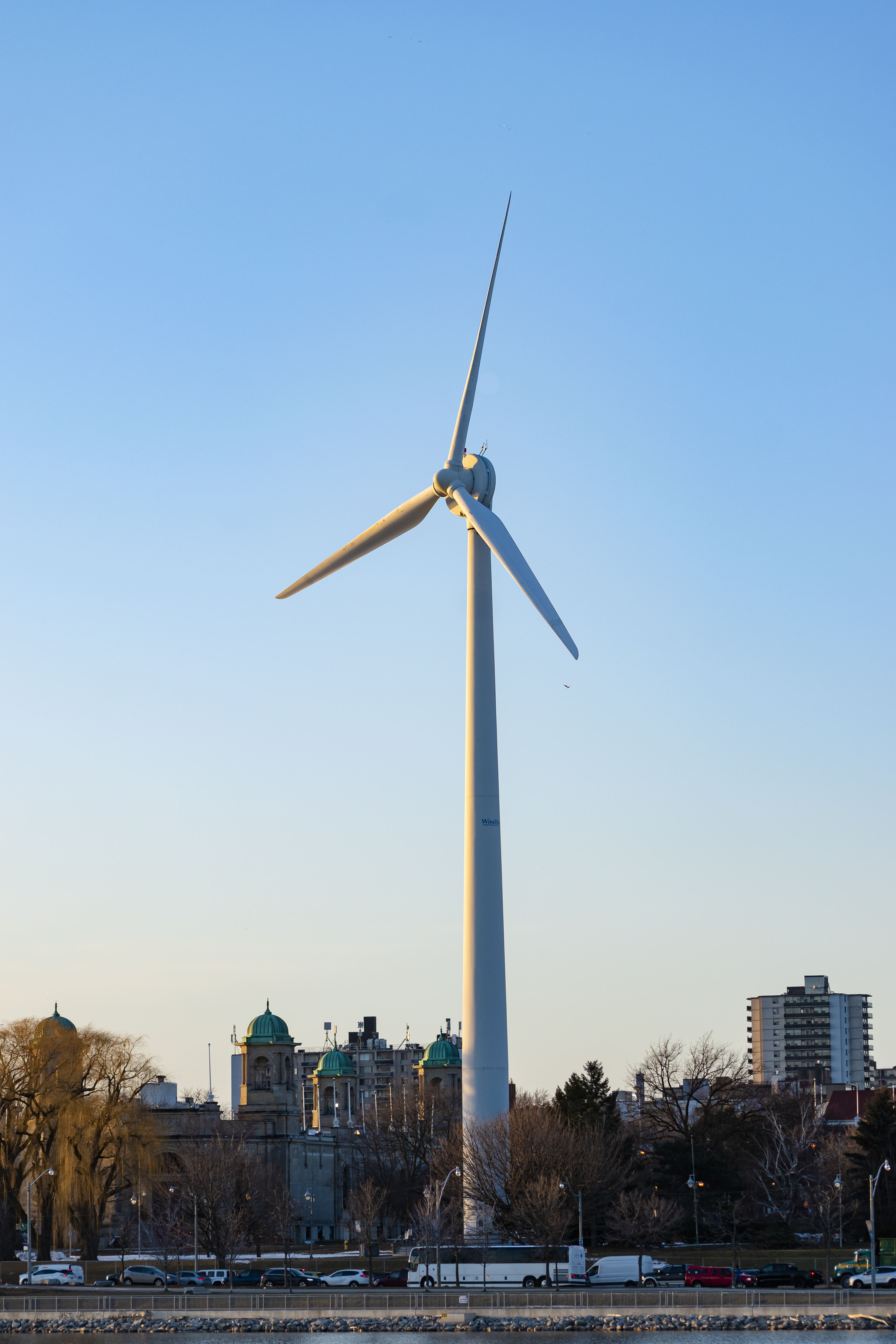
Selecting a Wind Energy Site: Assessment Criteria for Rural Properties
Wind measurement methods, obstacle effects, setback rules, soil conditions, and grid connection factors that determine site viability.
Read article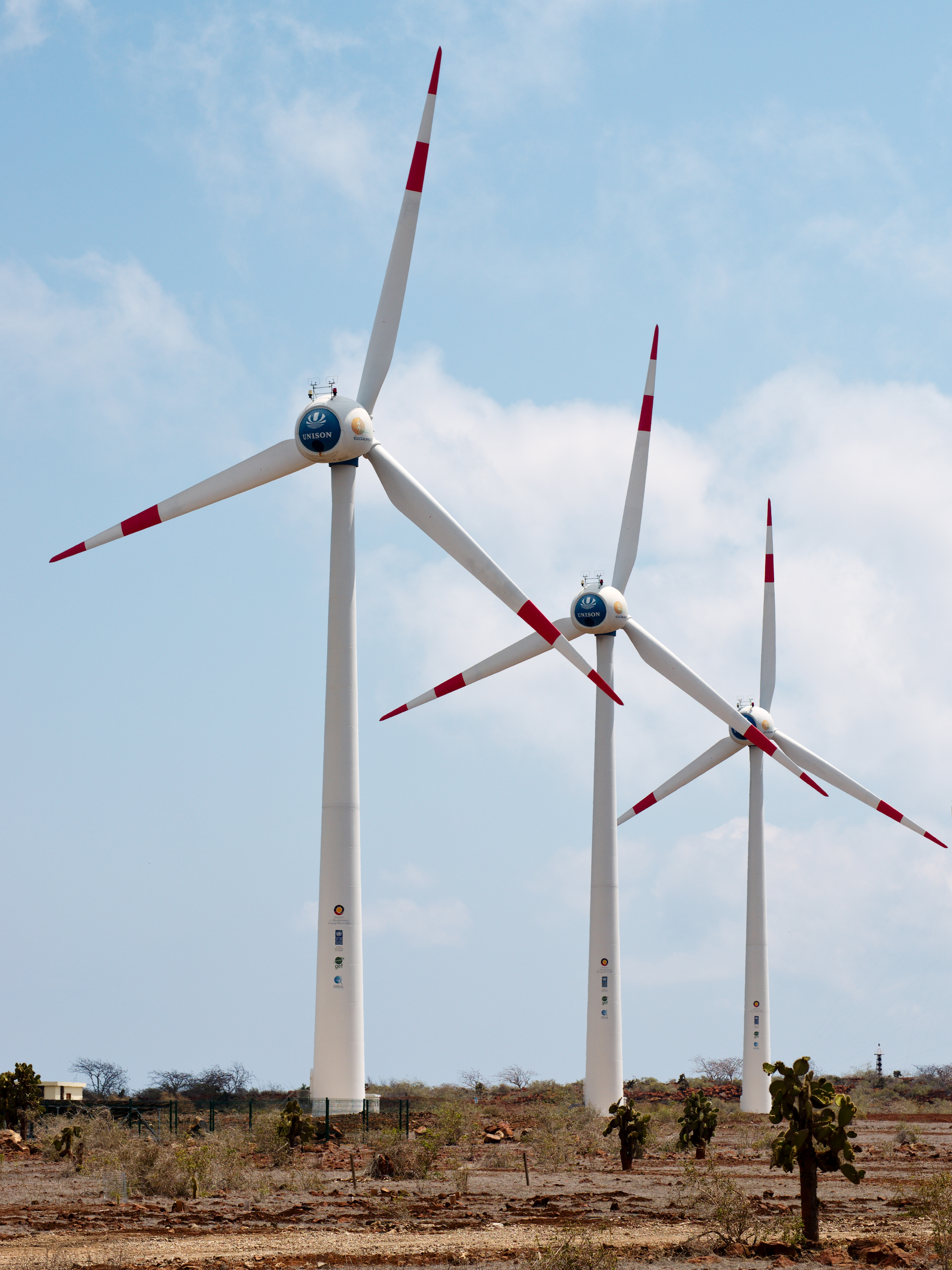
Rural Renewable Energy Programs for Wind Power in Canada
Federal and provincial programs — from NRCan's Agricultural Clean Technology funding to net metering arrangements in Ontario, Alberta, and BC.
Read articleSmall Wind in the Canadian Context
Small wind turbines occupy a distinct role in rural Canada. Unlike utility-scale wind farms that require hundreds of hectares and grid-scale infrastructure, small systems — typically 1 kW to 100 kW — are sized for individual farms, acreages, and rural commercial properties.
Canada's geography creates genuine variety in local wind resources. Coastal sites in the Atlantic provinces and British Columbia, Prairie farmsteads with unobstructed fetch, and Great Lakes shorelines in Ontario each present different opportunities and constraints.
This resource collects factual, practical information about the technology, the siting process, and the financial programs available to Canadian landowners evaluating small wind installations.
Turbine Mechanics
Rotor design, generator types, power curves, tower height effects, and grid interconnection basics for residential and farm-scale installations.
Site Assessment
Anemometer monitoring, wind mapping tools, obstacle analysis, setback requirements, and soil and access considerations for rural properties.
Financial Programs
NRCan grants, provincial net metering frameworks, agricultural clean technology funding, and co-operative ownership models across Canadian jurisdictions.